
More LA•National•Unique Column•WegENT Blog
The Impact of Bearing Quality on Skateboarding Performance: What Every Skater Should Know


Skateboard bearings are the unsung heroes of any skateboard setup.
They might seem small and insignificant, but their quality can make or break your skating experience.
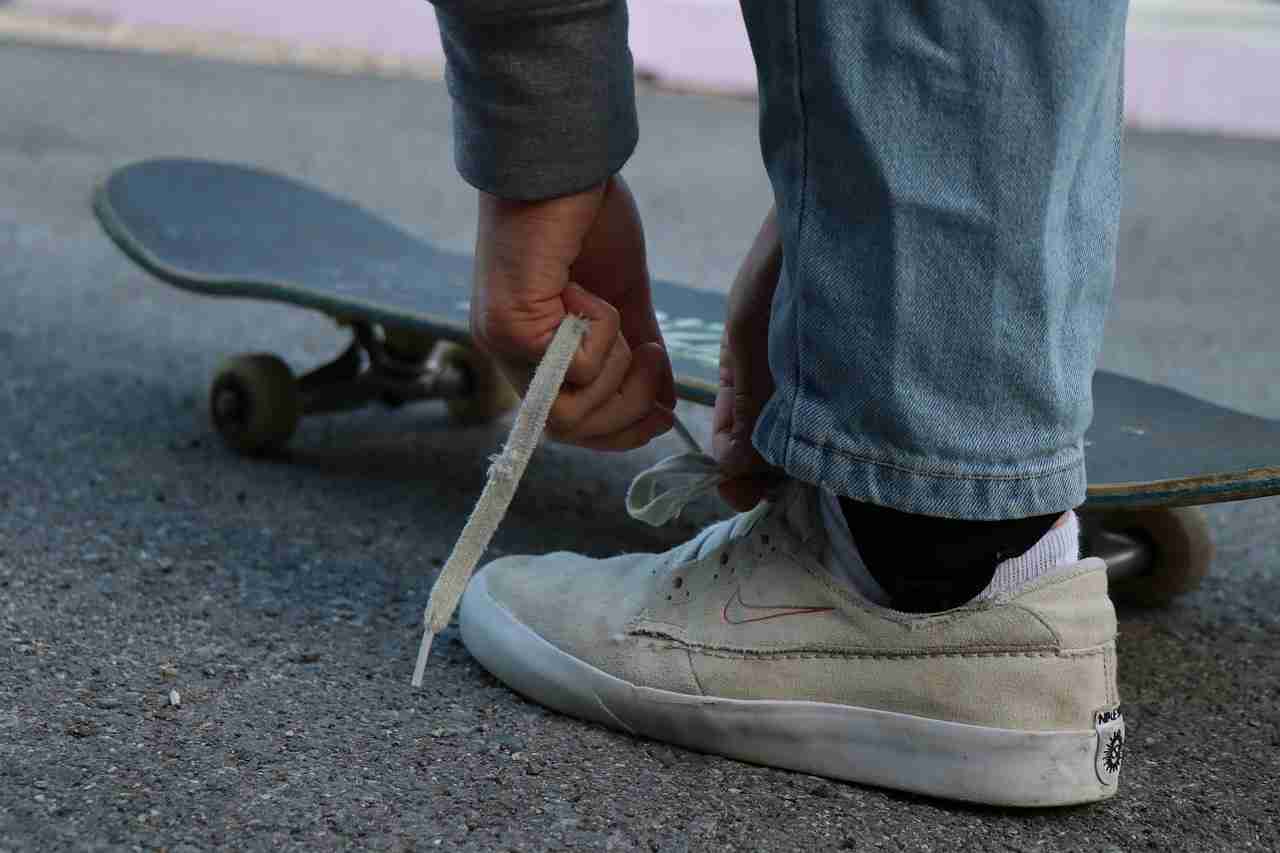
 PHOTO: Lena Helfinger/Pixabay
If you’ve ever wondered why your skateboard doesn’t roll as smoothly as your friend’s, chances come down to the bearings.
These tiny components bridge your wheels and the axle, dictating how fast, smooth, and stable your ride feels.
Imagine bombing a hill with bearings that barely spin. The frustration is real.
That was me during my early skateboarding days, pushing harder and going nowhere. Once I upgraded to a higher-quality set, it felt like unlocking a hidden cheat code for speed and control.
Are you curious about what makes a good skateboard bearing?
Let’s dive in.
The Anatomy of a Skateboard Bearing
At first glance, bearings look like simple metal rings. But there’s more to them than meets the eye.
A standard skateboard bearing consists of:
- The Outer Ring: The casing that holds everything together.
- The Inner Ring: The part that fits snugly on the axle.
- Balls: Small, perfectly round spheres that reduce friction and allow the wheel to spin.
- Cage: A component that keeps the balls evenly spaced.
- Shields: Covers that protect the bearing from dust and debris.
The smoother and more precisely these parts are manufactured, the better the bearing’s performance.
Why Bearing Quality Matters
Not all bearings are created equal. Cheap, poorly made bearings can slow you down, wear out quickly, and even ruin your session by locking up mid-ride.
On the flip side, investing in quality bearings can enhance your skateboarding experience, offering smoother rides, faster speeds, and greater durability.
I grabbed a budget pack of bearings before a local skate comp—a big mistake.
Halfway through a trick, the bearings seized up, and I ate concrete. Since then, I’ve sworn by mid-to-high-end options that prioritize precision engineering and durability.
Choosing the Right Bearings for Your Style
The best skateboard bearing for you depends on your skate style.
- Street Skaters: Look for bearings that candle high-impact landings and dirt from rough terrain.
Sealed bearings with strong shields are your best bet. - Park Riders: Bearings with high-speed ratings (like ABEC-7 or ABEC-9) offer the smooth spins needed for ramps and transitions.
- Cruisers: If you’re all about cruising, prioritize longevity and a consistent roll.
Remember, just because a bearing is labeled ABEC-9 doesn’t mean it’s the fastest or best for skating.
Skate-specific brands often design bearings outside the ABEC rating system, focusing on real-world performance rather than lab tests.
How to Maintain Your Bearings for Peak Performance
Even the best bearings need TLC to keep performing at their peak.
Skateboarding exposes bearings to dirt, moisture, and wear, all of which can reduce their lifespan.
Here’s how to maintain them:
- Regular Cleaning: Remove your bearings every few months and clean them with isopropyl alcohol or a specialized bearing cleaner.
- Lubrication: Apply a few drops of skate-specific lubricant to keep things spinning smoothly. Avoid using WD-40—it’s great for squeaky doors but terrible for bearings.
- Avoid Water: Skating through puddles might seem fun, but water can rust your bearings in no time.
I learned this the hard way after a rainy session at a local skate park.
By the end of the day, my bearings were squeaking louder than my complaints.
Signs It’s Time to Replace Your Bearings
No matter how well you maintain your bearings, they won’t last forever.
Look out for these signs that it’s time for a replacement:
- Grinding Noises: If your bearings sound like a coffee grinder, it’s time for a new set.
- Wobbly Wheels: Loose bearings can cause your wheels to wobble, affecting your balance and control.
- Decreased Speed: When you notice your skateboard doesn’t roll as far with a single push, worn-out bearings might be the culprit.
Upgrading your bearings isn’t just about performance—it’s also about safety. A seized bearing during a trick or downhill ride can lead to serious injuries.
Bearing Materials: Steel vs. Ceramic
When shopping for bearings, you’ll often encounter two main types: steel and ceramic.
- Steel Bearings: The classic choice. Affordable and durable, steel bearings are great for beginners and casual skaters.
- Ceramic Bearings: These are lighter, faster, and more resistant to heat and friction. However, they come with a higher price tag.
If you’re skating competitively or just love the thrill of speed, ceramic bearings might be worth the investment.
For everyday skating, high-quality steel bearings get the job done without breaking the bank.
Top Brands to Consider
When in doubt, stick to trusted brands known for their quality and performance.
Some popular options include:
- Bones
- Bronson
- Zealous
These brands are skater-tested and approved, offering bearings that can handle the demands of the skateboarding lifestyle.
Wrapping It Up
Your choice of skateboard bearing can significantly impact your performance, whether you’re grinding rails, cruising the boardwalk, or hitting ramps.
By understanding what makes a good bearing and taking care of it properly, you can elevate your skating experience and keep rolling smoothly.
Take it from someone who’s spent years on four wheels—investing in quality bearings is one of the best moves you can make.
Your tricks will feel cleaner, your rides faster, and your sessions longer.
Remember, your skateboard is only as good as the components you use.
So, the next time you’re tweaking your setup, don’t overlook the humble skateboard bearing.
PHOTO: Lena Helfinger/Pixabay
Discover more from Los Angeles Sports Nation
Subscribe to get the latest posts sent to your email.

Categorized:More LA National Unique Column WegENT Blog